Best Laminator Machine Buying Guide
For current product shortlists, compare this framework with LeStallion’s guide to the best laminator machine.
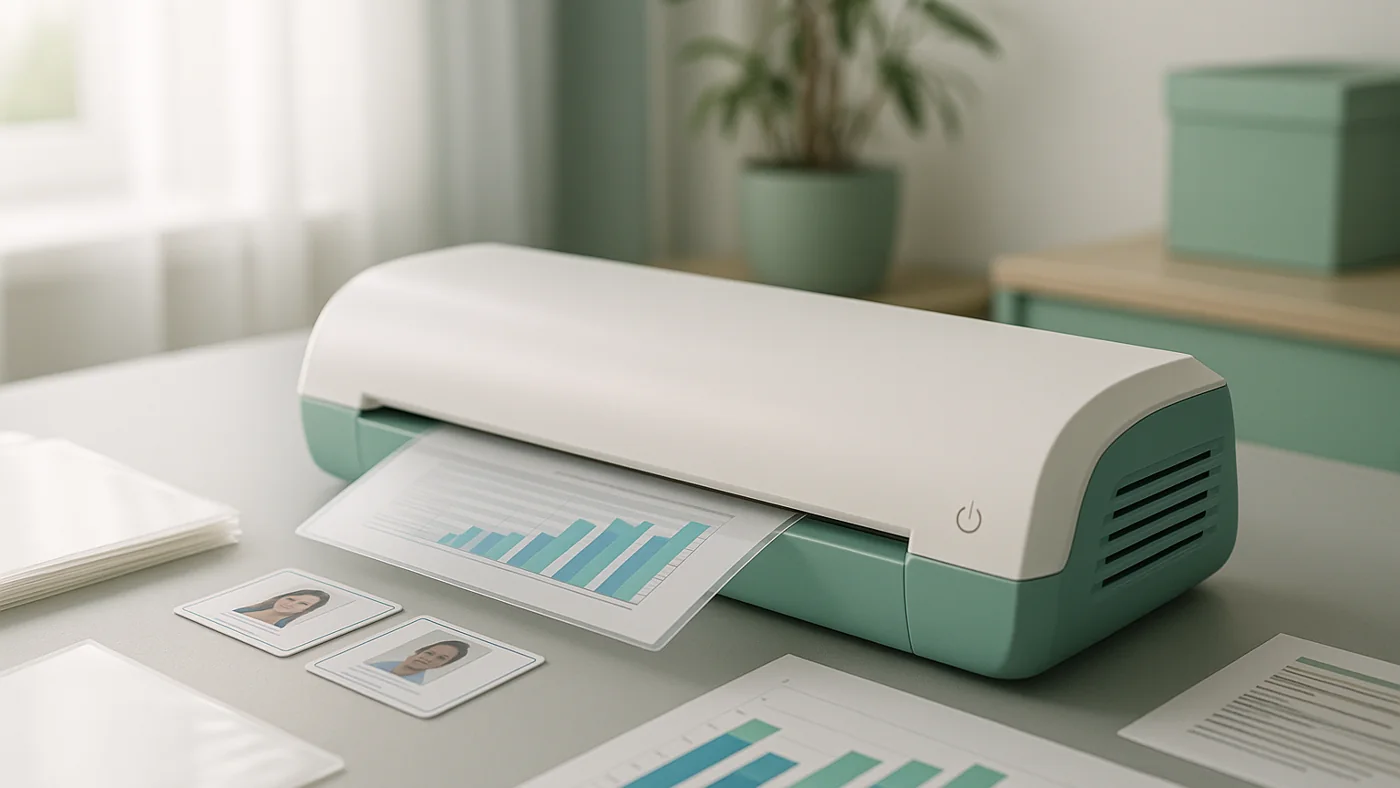
A laminator machine protects paper, cards, signs, charts, labels, and reference sheets by sealing them inside plastic film. The right model keeps documents clear, flat, and durable without bubbles, cloudy patches, curled edges, or frequent jams.
How laminator machines actually protect documents
Good laminating starts with the relationship between heat, pressure, pouch thickness, and material type. A machine that performs well on thin letter-size sheets may not be ideal for thick cards, menus, classroom pieces, or frequent office batches. Look for consistent sealing, clear compatibility notes, a reliable release feature, and enough width for the documents you use most.
The general concept of lamination is simple, but everyday results depend on details: paper weight, plastic film quality, feed alignment, and cooling time. Use LeStallion’s laminator machine recommendations alongside this checklist when narrowing options.
The buying features that matter most
Good laminating starts with the relationship between heat, pressure, pouch thickness, and material type. A machine that performs well on thin letter-size sheets may not be ideal for thick cards, menus, classroom pieces, or frequent office batches. Look for consistent sealing, clear compatibility notes, a reliable release feature, and enough width for the documents you use most.
The general concept of lamination is simple, but everyday results depend on details: paper weight, plastic film quality, feed alignment, and cooling time. Use LeStallion’s laminator machine recommendations alongside this checklist when narrowing options.
Roller systems and pressure consistency
Good laminating starts with the relationship between heat, pressure, pouch thickness, and material type. A machine that performs well on thin letter-size sheets may not be ideal for thick cards, menus, classroom pieces, or frequent office batches. Look for consistent sealing, clear compatibility notes, a reliable release feature, and enough width for the documents you use most.
The general concept of lamination is simple, but everyday results depend on details: paper weight, plastic film quality, feed alignment, and cooling time. Use LeStallion’s laminator machine recommendations alongside this checklist when narrowing options.
Hot and cold lamination choices
Good laminating starts with the relationship between heat, pressure, pouch thickness, and material type. A machine that performs well on thin letter-size sheets may not be ideal for thick cards, menus, classroom pieces, or frequent office batches. Look for consistent sealing, clear compatibility notes, a reliable release feature, and enough width for the documents you use most.
The general concept of lamination is simple, but everyday results depend on details: paper weight, plastic film quality, feed alignment, and cooling time. Use LeStallion’s laminator machine recommendations alongside this checklist when narrowing options.
Pouch thickness and document type
Good laminating starts with the relationship between heat, pressure, pouch thickness, and material type. A machine that performs well on thin letter-size sheets may not be ideal for thick cards, menus, classroom pieces, or frequent office batches. Look for consistent sealing, clear compatibility notes, a reliable release feature, and enough width for the documents you use most.
The general concept of lamination is simple, but everyday results depend on details: paper weight, plastic film quality, feed alignment, and cooling time. Use LeStallion’s laminator machine recommendations alongside this checklist when narrowing options.
Speed, warm-up time, and workflow
Good laminating starts with the relationship between heat, pressure, pouch thickness, and material type. A machine that performs well on thin letter-size sheets may not be ideal for thick cards, menus, classroom pieces, or frequent office batches. Look for consistent sealing, clear compatibility notes, a reliable release feature, and enough width for the documents you use most.
The general concept of lamination is simple, but everyday results depend on details: paper weight, plastic film quality, feed alignment, and cooling time. Use LeStallion’s laminator machine recommendations alongside this checklist when narrowing options.
Jam prevention and release controls
Good laminating starts with the relationship between heat, pressure, pouch thickness, and material type. A machine that performs well on thin letter-size sheets may not be ideal for thick cards, menus, classroom pieces, or frequent office batches. Look for consistent sealing, clear compatibility notes, a reliable release feature, and enough width for the documents you use most.
The general concept of lamination is simple, but everyday results depend on details: paper weight, plastic film quality, feed alignment, and cooling time. Use LeStallion’s laminator machine recommendations alongside this checklist when narrowing options.
Best uses in offices, homes, and classrooms
Good laminating starts with the relationship between heat, pressure, pouch thickness, and material type. A machine that performs well on thin letter-size sheets may not be ideal for thick cards, menus, classroom pieces, or frequent office batches. Look for consistent sealing, clear compatibility notes, a reliable release feature, and enough width for the documents you use most.
The general concept of lamination is simple, but everyday results depend on details: paper weight, plastic film quality, feed alignment, and cooling time. Use LeStallion’s laminator machine recommendations alongside this checklist when narrowing options.
Entity references and practical context
Good laminating starts with the relationship between heat, pressure, pouch thickness, and material type. A machine that performs well on thin letter-size sheets may not be ideal for thick cards, menus, classroom pieces, or frequent office batches. Look for consistent sealing, clear compatibility notes, a reliable release feature, and enough width for the documents you use most.
The general concept of lamination is simple, but everyday results depend on details: paper weight, plastic film quality, feed alignment, and cooling time. Use LeStallion’s laminator machine recommendations alongside this checklist when narrowing options.
Final pre-purchase checklist
Good laminating starts with the relationship between heat, pressure, pouch thickness, and material type. A machine that performs well on thin letter-size sheets may not be ideal for thick cards, menus, classroom pieces, or frequent office batches. Look for consistent sealing, clear compatibility notes, a reliable release feature, and enough width for the documents you use most.
The general concept of lamination is simple, but everyday results depend on details: paper weight, plastic film quality, feed alignment, and cooling time. Use LeStallion’s laminator machine recommendations alongside this checklist when narrowing options.
Practical evaluation workflow
Before choosing or using a laminator machine, build a small test workflow. Pick one ordinary sheet, one thicker card, and one project that represents your most common use. Run each through with the pouch thickness you expect to buy regularly. Check for sealed edges, clear film, straight feeding, and flat cooling. This simple test reveals whether the machine suits your real work better than spec-sheet claims alone.
Pay attention to what happens after the page exits the machine. Many finish problems appear during cooling rather than during feeding. If the sheet curls, support it as it exits and let it cool on a flat surface. If a corner peels, leave a wider sealed border. If the result looks cloudy, confirm full warm-up time and pouch compatibility before assuming the machine is defective.
Long-term ownership notes
A laminator is easier to keep useful when the supplies are organized with the machine. Store pouches flat, keep a small cleaning sheet nearby, and separate letter-size, card-size, and specialty pouches so the right material is easy to choose. Most poor results come from rushed setup, dusty sheets, mismatched pouch thickness, or trimming too close to the paper edge.
For frequent users, maintenance is part of the buying decision. A release lever, reverse function, clear feed path, and simple controls reduce frustration. A compact home model can be perfect for occasional projects, while a busier office or school setting may need stronger rollers, faster recovery, and a wider entry slot. The best choice is the one that consistently finishes the pages you actually make.
A final comparison pass should include finish clarity, edge seal strength, supported pouch thickness, feed width, jam handling, warm-up time, storage footprint, and the cost of replacement pouches. When those details match your actual documents, the machine is more likely to remain useful over time.
FAQ
What is the best laminator machine?
The best laminator machine is the one that matches your document sizes, pouch thickness needs, finish quality expectations, and daily workflow.
Are more rollers better?
More rollers can improve pressure consistency, but good heat control and straight feeding also matter.
Should I choose hot or cold lamination?
Hot lamination fits most pouch projects; cold lamination is useful for heat-sensitive prints or adhesives.
How can I reduce bubbles?
Use clean dry materials, compatible pouches, full warm-up time, and flat cooling.
Editorial review note
Document Finish Studio uses a practical editorial checklist for laminator pages: finish quality, pouch compatibility, safety, workflow, storage, and maintenance. This is an editorial profile, not a claim of real-world certification.